AI Is Revolutionizing Digital Marketing Strategy
The digital marketing landscape has undergone a seismic shift over the past few years. What once required teams of analysts, copywriters, and data scientists can now be accomplished in minutes using artificial intelligence. From hyper-personalized email campaigns to real-time audience segmentation, AI is no longer a futuristic concept — it is the backbone of modern marketing strategy.
AI digital marketing strategy, businesses that fail to integrate AI into their digital marketing efforts risk falling behind competitors who are leveraging these powerful tools to reduce costs, increase engagement, and drive measurable revenue growth. Whether you are a startup founder, a seasoned CMO, or a digital marketing consultant, understanding how AI reshapes strategy is no longer optional — it is essential.
This article explores the multifaceted ways AI is transforming digital marketing strategy, covering everything from customer journey mapping and content personalization to predictive analytics and automated campaign management. By the end, you will have a clear picture of how to adopt AI in your own marketing approach.
1. Understanding the AI Revolution in Digital Marketing
What Does AI Mean for Marketers?
Artificial intelligence in digital marketing refers to the use of machine learning algorithms, natural language processing (NLP), computer vision, and predictive modeling to automate, optimize, and personalize marketing activities. Unlike traditional rule-based automation, AI systems learn from data over time, continuously improving their outputs without manual reprogramming.
For marketers, this means shifting from gut-feel decisions to data-driven precision. Instead of guessing which ad creative will perform best, AI can run thousands of micro-experiments simultaneously and reallocate budget to the top performers in real time.
The Scale of AI Adoption
According to industry research, over 80% of marketing leaders now use some form of AI in their workflows. Spending on AI-powered marketing tools is projected to surpass $107 billion globally by 2028. Platforms like Google, Meta, HubSpot, Salesforce, and Adobe have all embedded AI deeply into their core offerings, making AI accessible even to small and mid-sized businesses.
Why Now Is the Right Time to Embrace AI
The convergence of three forces has made AI digital marketing strategy indispensable today: massive data availability, affordable cloud computing, and mature machine learning models. The combination means that AI tools are more accurate, more affordable, and easier to implement than ever before.
2. AI-Powered Customer Segmentation and Targeting
Moving Beyond Basic Demographics
Traditional audience segmentation relied on broad categories — age, gender, geography, income level. While useful, these segments are blunt instruments. AI enables micro-segmentation, dividing audiences into precise clusters based on behavioral signals, purchase history, content preferences, device usage patterns, and even emotional sentiment.
Behavioral Targeting at Scale 
AI digital marketing strategy algorithms analyze thousands of data points per user to identify patterns invisible to human analysts. For example, a retail brand can use AI to identify customers who browse athletic wear on mobile devices between 7–9 AM, respond to discount CTAs, and tend to convert within 48 hours of being retargeted. Armed with this insight, the brand can craft campaigns laser-focused on this exact behavior — dramatically improving conversion rates.
Predictive Audience Modeling
Predictive modeling goes one step further by identifying prospects who resemble your best customers, even before they have interacted with your brand. Tools like Google’s Smart Bidding and Meta’s Advantage+ Audiences use AI to build lookalike audiences based on your CRM data, maximizing your paid media efficiency.
Real-Time Personalization
AI enables real-time personalization at a scale that was previously impossible. Websites powered by AI can dynamically adjust the homepage layout, product recommendations, pop-ups, and CTAs based on who is visiting and what stage of the funnel they are in — all without a developer touching a line of code.
3. Content Creation and Optimization with AI
AI as a Creative Collaborator
One of the most discussed — and debated — applications of AI digital marketing strategy in marketing is content generation. Tools like Claude, ChatGPT, Jasper, and Copy.ai can produce blog posts, ad copy, social media captions, email subject lines, and product descriptions in seconds. Rather than replacing human creativity, these tools amplify it, allowing marketers to produce more content without proportional increases in headcount.
SEO Content Optimization
AI tools analyze top-ranking content for any keyword and provide data-driven recommendations on word count, topic coverage, semantic keywords, internal linking opportunities, and readability scores. Platforms like Surfer SEO, Clearscope, and Frase integrate AI analysis directly into the content creation workflow, helping writers produce articles that search engines — and readers — love.
Dynamic Content Personalization
Beyond creating content, AI can personalize it. Email marketing platforms powered by AI can automatically customize subject lines, body copy, images, and CTAs based on each recipient’s past behavior. Studies consistently show that personalized emails generate significantly higher open rates and click-through rates compared to generic blasts.
Content Performance Prediction
Before publishing a single word, AI tools can predict how a piece of content will perform based on historical data. By analyzing engagement metrics from similar content, topic trends, and competitor performance, AI helps marketers invest effort in content most likely to drive traffic, shares, and conversions.
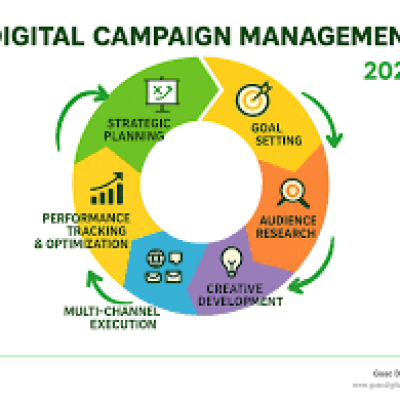
4. AI in Paid Advertising and Campaign Management
Smart Bidding and Budget Optimization
Paid advertising has been transformed by AI-driven bidding systems. Google’s Smart Bidding algorithms analyze hundreds of auction-time signals — device, location, time of day, browser, search history — to set bids that maximize conversions or revenue within your budget. These algorithms make bidding decisions that no human could replicate at the same speed or scale.
Creative Testing and Optimization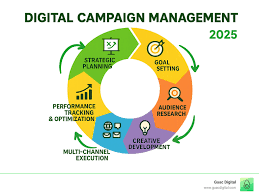
AI-powered platforms like Meta’s Advantage+ Creative and Google’s Performance Max automatically test multiple ad variations — headlines, descriptions, images, videos — and optimize delivery toward the top performers. This process, once requiring weeks of manual A/B testing, now happens continuously and automatically.
Cross-Channel Attribution
Understanding which touchpoints drive conversions has always been a challenge. AI-powered attribution models move beyond last-click attribution, analyzing the full customer journey across channels — search, social, email, display, video — and assigning credit more accurately. This insight allows marketers to reallocate budget toward the channels and tactics that truly drive revenue.
Fraud Detection and Brand Safety
AI is also protecting ad spend by detecting click fraud, bot traffic, and brand-unsafe placements in real time. Machine learning models identify patterns consistent with fraudulent activity and flag or block it before it drains budget, ensuring campaigns reach real humans in appropriate contexts.
5. AI-Driven Customer Experience and Conversational Marketing
Chatbots and Virtual Assistants
AI-powered chatbots have evolved from clunky FAQ responders to sophisticated conversational agents capable of understanding context, remembering user preferences, and handling complex inquiries. Deployed on websites, messaging apps, and social media platforms, these bots provide 24/7 customer support, qualify leads, and even complete sales transactions — all without human intervention.
Conversational AI in Email and SMS
Conversational marketing extends beyond chat. AI enables two-way conversational experiences over email and SMS, where customers can respond to marketing messages and receive intelligent, context-aware replies. This approach dramatically improves engagement compared to one-way broadcast communication.
Sentiment Analysis and Voice of the Customer
AI-powered sentiment analysis tools process customer reviews, social media mentions, and support tickets to identify trends in customer satisfaction and brand perception. Marketers can use these insights to refine messaging, address pain points proactively, and identify brand advocates worth nurturing.
6. Predictive Analytics: Marketing’s Crystal Ball
Forecasting Customer Lifetime Value
Predictive analytics allows brands to estimate the long-term revenue potential of each customer at the time of acquisition. By identifying high-value customers early, marketing teams can justify larger acquisition investments and design retention programs tailored to maximizing lifetime value.
Churn Prediction and Prevention
AI models can identify customers showing early signs of disengagement — declining email opens, reduced purchase frequency, negative sentiment in support interactions — and trigger proactive retention campaigns before the customer churns. This is far more cost-effective than acquiring new customers to replace those who leave.
Demand Forecasting
For e-commerce and retail brands, AI-powered demand forecasting helps align marketing spend with inventory levels, preventing the costly mistake of promoting out-of-stock products or sitting on excess inventory due to under-promotion.
7. Implementing AI in Your Digital Marketing Strategy
Start with Data Quality
AI digital marketing strategy is only as good as the data it learns from. Before adopting AI tools, invest in cleaning and consolidating your data. A unified customer data platform (CDP) that integrates data from your CRM, website analytics, email platform, and paid media accounts provides the foundation for effective AI-driven marketing.
Choose the Right Tools for Your Goals
The AI marketing tool ecosystem is vast. Rather than adopting every shiny new tool, audit your current marketing stack, identify your biggest bottlenecks, and choose AI solutions that directly address those gaps. Common starting points include AI-powered email personalization, smart bidding for paid search, and AI content optimization for SEO.
Build Internal AI Literacy
Technology alone is not enough. Ensure your marketing team understands how AI tools work, what their limitations are, and how to interpret AI-generated insights. Invest in training and foster a culture of experimentation where teams feel empowered to test AI-driven approaches.
Measure, Iterate, and Scale
AI-driven marketing is not a set-and-forget solution. Monitor performance closely, compare AI-optimized campaigns against human-managed baselines, and continuously refine your approach based on results. As your confidence in AI tools grows, scale their use across more channels and campaigns.
8. Ethical Considerations and the Future of AI in Marketing
Privacy, Consent, and Transparency
As AI marketing relies heavily on personal data, marketers must navigate an increasingly complex privacy landscape. Regulations like GDPR, CCPA, and emerging national privacy laws require explicit consent for data collection and use. Beyond legal compliance, brands that are transparent about how they use customer data earn greater trust.
Avoiding Algorithmic Bias
AI models can perpetuate or amplify biases present in training data. Marketers must audit AI systems regularly to ensure they are not inadvertently discriminating against protected groups in targeting, pricing, or messaging decisions.
The Human Element in AI Marketing
Despite AI digital marketing strategy remarkable capabilities, the human element remains irreplaceable. Creativity, empathy, ethical judgment, and brand storytelling require human insight that AI cannot fully replicate. The most successful marketing organizations of the future will combine AI’s analytical power with human creativity and strategic thinking.
Conclusion
Artificial intelligence is not just changing digital marketing — it is fundamentally redefining what is possible. From hyper-personalized customer experiences to predictive analytics that anticipate behavior before it happens, AI gives marketers unprecedented power to connect with audiences in meaningful, efficient, and scalable ways.
The question is no longer whether to embrace AI in your digital marketing strategy, but how quickly and thoughtfully you can do so. Start small, build on your data foundation, choose tools aligned with your goals, and never lose sight of the human values that make great marketing resonate.
The brands that thrive in the AI era will be those that harness its power while remaining genuinely customer-centric. And that balance — technology in service of humanity — is the true art of modern digital marketing.